As an Amazon Associate this site earns from qualifying purchases.
Attractants and training guides at a glance
| Product | Brand | Price | Form | Size | Key formula note |
|---|---|---|---|---|---|
| Dr. Elsey's Litter Box Attractant - Ultra Litter Attractant - 20 oz Pouch - Feline Behavior Modification & Training Tool | Dr. Elsey's | See the product list on this page | Powder / herbal blend | 20 oz pouch | All-natural herb blend; treats up to 100 lb of non-scented clumping clay litter |
| Fresh Step Cat Litter Box Training Attractant Powder, 9 Oz Bottle | Fresh Step | Check price on Amazon | Sprinkle powder | 9 oz bottle | Herbal, no perfumes or deodorants; works with all litter types |
| Cat Litter Training Spray, 150ml Litter Box Attractant for Cats & Kittens | AutumnNest | Check price on Amazon | Spray | 150 ml (5 fl oz) | Catnip, geranium, centella asiatica; alcohol-free |
| Cat Litter Training Spray, 2 Pack, 300ml Litter Box Attractant Spray | AutumnNest | Check price on Amazon | Spray, 2-pack | 2 × 150 ml | Same botanical formula, fragrance-free |
| How to train your cat to use the litter box: A Step-By-Step Guide | Majosta | Check price on Amazon | Book | Not stated | Not stated |
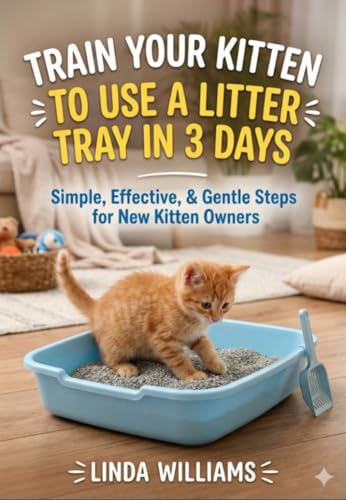
| Train Your Kitten to Use a Litter Tray in 3 Days | Not stated | Check price on Amazon | Book | Not stated | Not stated |
Quick answer: Cats don't refuse a new litter box out of spite — they refuse it because something about the location, the litter, or the transition feels wrong. Move slowly (keep the old box available for a week), put the new box somewhere quiet with two exits, and use an herbal attractant like the Dr. Elsey's Litter Box Attractant - Ultra Litter Attractant - 20 oz Pouch - Feline Behavior Modification & Training Tool ($12.99) to make the new box the obvious place to go.
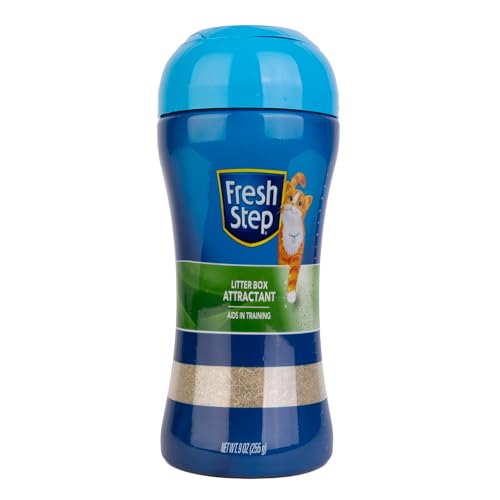
- TRAINING AID: Designed to encourage cats and kittens to use the litter box by adding an herbal attractant to your existing litter. Helps support acceptance during new-cat
- WORKS WITH ANY LITTER: Compatible with clumping and non-clumping clay, crystal, paper, and natural litters. Sprinkle and mix into clean litter so scent is distributed through the
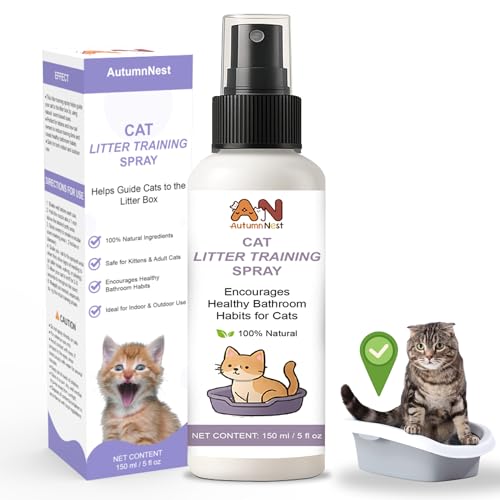
- TARGETED CAT LITTER ATTRACTANT – This litter box attractant spray combines catnip extract, geranium extract and centella asiatica extract in a purified-water base, creating a
- FOR KITTEN LITTER TRAINING AND RETRAINING – Use this litter attractant for kittens, newly adopted cats or adults relearning a routine after a move, a litter-box change or another
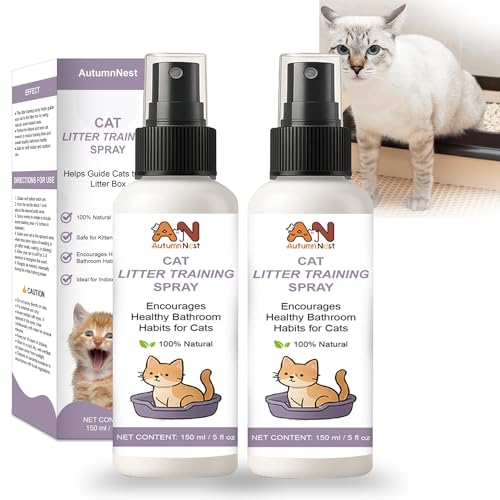
- Effectively Guides Cats to the Litter Box – This natural litter training spray helps cats and kittens develop proper toilet habits by guiding them to designated litter areas
- 2 Pack for Extended & Multi-Area Use – Includes two 150ml (5 fl oz) spray bottles, perfect for long-term training, multi-cat households, or placing in different rooms for
The method matters more than the product
No attractant fixes a box your cat has a good reason to avoid. Work through this first:
- Run both boxes at once. Set the new box up beside the old one and leave the old one in place for about a week. Cats vote with their feet; you want the new box to win on merit, not by force.
- Keep the litter identical at first. Changing box and litter simultaneously is the single most common reason a transition fails. Move the box now, change the litter a month later.
- Seed it. Scoop a small clump of used litter from the old box into the new one. It smells like theirs already.
- Check the location. Not next to a noisy washer, not in a dead-end closet, not up a flight of stairs an older or arthritic cat has to climb. One box per cat, plus one, spread across the house.
- Add the attractant. This is where a training product earns its keep — it gives an uncertain cat a reason to step in and dig.
- Reward the moment it happens. Quiet praise or a treat immediately after use. Never punish an accident; it teaches the cat to hide elimination, not to use the box.
- Clean accidents with an enzyme cleaner. Residual scent marks the spot as a bathroom.
Where Dr. Elsey's fits
The Dr. Elsey's Litter Box Attractant - Ultra Litter Attractant - 20 oz Pouch - Feline Behavior Modification & Training Tool is the sensible default for most new-box transitions. It's a powder you mix into the litter rather than a scent you spray around the box, so the attraction is in the substrate the cat digs in — which is the behaviour you're actually trying to trigger. The listing states one 20 oz pouch lasts three months and treats up to 100 lb of unscented clumping clay litter, and the manufacturer describes it as a clinically tested attractant formula. Per-ounce it is the cheapest thing here.
Finding the right how to train cat to use new litter box comes down to matching the features to how you will actually use it.
Who it's for
- Anyone moving a box to a new room, swapping to a new box style, or going from open pan to covered.
- Households with a newly adopted cat who has no established habit in your home yet.
- Multi-cat homes — the listing says the formula is intended for single or multi-cat households.
- Kittens in the curiosity stage, where the goal is simply to get them to investigate and dig.
- Anyone using unscented clumping clay litter, which is what the coverage figure is quoted against.
Who should skip it
- Anyone whose cat hasn't seen a vet yet after a sudden change in habits. An attractant will mask a medical problem, not solve it.
- Owners of cats avoiding the box for a clear environmental reason — a dirty box, a bullying housemate camped outside it, a hooded box that traps smell. Fix the cause; the powder won't out-argue it.
- People using crystal, pellet, or paper litter. The coverage claim on this product is stated for non-scented clumping clay; behaviour on other substrates isn't specified in the listing.
- Anyone who wants to treat a spot outside the box — for example, spraying a target area on a floor or tray. A powder can't do that; a spray can.
- Cats who are indifferent to herbal scents. Some are. There's no product here that works on every cat.
The honest trade-offs
A powder mixes in and disappears, which is good for the cat and slightly annoying for you: you have to remember to re-dose every time you add fresh litter, and it's easy to under-dose. Sprays are more visible and more controllable, but they're also smaller — 150 ml used two to three times a day doesn't last long, which is why AutumnNest sells a two-pack.
Attractants are also a short-term tool by design. They get the cat into the box; they don't keep it there if the box is dirty or badly placed. Budget on using one for a few weeks of transition, not forever.
And the books are a different category entirely. A $2.99 guide won't change your cat's behaviour on its own, but if you're a first-time owner it may cost less than the wasted litter from one failed attempt.
What to check on the listing before you buy
Listings change without notice, so verify these yourself at the moment of purchase:
- Current price. The figures above are what was listed; they move.
- Size and pack variant. AutumnNest sells both a single 150 ml bottle and a 300 ml two-pack on separate listings — check which one is in your cart. Fresh Step's is a 9 oz bottle; Dr. Elsey's is a 20 oz pouch.
- Format. Powder vs. spray is a real difference in how you use it. Confirm the one you're buying.
- Ingredients, if anyone in the house has sensitivities or you have other pets in the room.
- Return window and any manufacturer guarantee. Not stated on these listings — read the seller's terms.
- Recent reviews and Q&A. Go read them yourself, filtered to the most recent months and to your litter type. That's where format changes and formula changes show up first.
Other options to consider
Cat Litter Training Spray, 150ml Litter Box Attractant for Cats & Kittens — consider instead if…
…you need to guide a cat toward a specific area rather than treat litter. The Cat Litter Training Spray, 150ml Litter Box Attractant for Cats & Kittens ($16.99) is a botanical spray built on catnip, geranium and centella asiatica, with no alcohol or artificial fragrance. The instructions are to spray two to three times daily on or near the box, let the cat sniff, then reward. Useful when the box location is the thing you're teaching.
Cat Litter Training Spray, 2 Pack, 300ml Litter Box Attractant Spray — consider instead if…
…you're training more than one cat, or running boxes in more than one room. The Cat Litter Training Spray, 2 Pack, 300ml Litter Box Attractant Spray ($24.99) is the same formula in two 150 ml bottles, so you can keep one upstairs and one down instead of carrying a single bottle around and forgetting it.
Fresh Step Cat Litter Box Training Attractant Powder, 9 Oz Bottle — consider instead if…
…you don't use clumping clay litter. The Fresh Step Cat Litter Box Training Attractant Powder, 9 Oz Bottle ($10.99) states it works with all types of litter, which makes it the safer choice for pellet, crystal or paper setups. It's an herbal formula made without perfumes, deodorants or chemicals; you sprinkle a generous amount onto the litter and mix it in, re-dosing whenever you add new litter.
How to train your cat to use the litter box: A Step-By-Step Guide — consider instead if…
…you'd rather understand the behaviour than buy a scent. How to train your cat to use the litter box: A Step-By-Step Guide ($9.89) from Majosta is a written guide; no contents or page count are stated on the listing, so read the preview before committing.
Train Your Kitten to Use a Litter Tray in 3 Days — consider instead if…
…you've just brought a kitten home and want something cheap to read tonight. Train Your Kitten to Use a Litter Tray in 3 Days is $2.99. No brand, author details or contents are stated on the listing — treat the three-day framing as a marketing claim and check the preview yourself.
FAQ
How long should I keep the old litter box around? About a week, ideally longer if your cat is nervous. Remove it only once you've seen the new box used consistently for several days. Pulling the old box too early is the most common way a smooth transition turns into a carpet problem.
Do litter attractants actually work? They work on some cats, for a specific job: getting a cat to investigate and dig in a box it's unsure about. Dr. Elsey's describes its formula as clinically tested. What no attractant does is override a medical issue, a filthy box, or a location the cat feels unsafe in.
Can I use a spray and a powder together? There's no stated reason you can't, but it's poor troubleshooting. Use one for two weeks, see what happens, then change a single variable. If you stack products you'll never learn which one your cat responded to.
My cat uses the new box for pee but not poop. What now? That usually means the box is too small or too enclosed. Cats want room to turn and cover. Try a larger open pan, add a second box in a different room, and keep both scooped daily — some cats will not defecate in a box that already contains waste.
Related guides
- Comparing Your Best dog and cat supplies - dog crates, cat trees, dog beds, litter boxes, pet kennels and cat condos Options
- Best dog and cat supplies - dog crates, cat trees, dog beds, litter boxes, pet kennels and cat condos for Seniors
- Best dog and cat supplies - dog crates, cat trees, dog beds, litter boxes, pet kennels and cat condos After Recent Issues
Key Takeaways
- Choosing the right how to train cat to use new litter box means matching the key features to your specific needs and budget
- Read real customer reviews and check the return policy before you commit
- Compare value across models — the priciest option is not always the best fit