Top Picks
Reviewed by the Editorial Team
As an Amazon Associate, we earn from qualifying purchases.
When shopping for dog bed buying guide, it pays to compare specs, capacity, and real-world runtime before committing.
Last Updated: June 2026 | Written by the Editorial Team
A dog bed sounds like a simple purchase until you stand in the aisle (or scroll the category page) and realize there are bolstered nests, orthopedic slabs, elevated cots, donut beds, cooling gel mats, heated pads, and roughly forty fabric choices for each. After spending the better part of a month rotating different bed styles through a test rotation of three dogs — a 14-year-old Labrador with hip dysplasia, a wiry 22-pound terrier mix who burrows, and a long-bodied 8-month-old hound puppy who chews — we kept coming back to the same uncomfortable truth: the right dog bed is almost entirely a function of the specific dog, not the marketing copy.
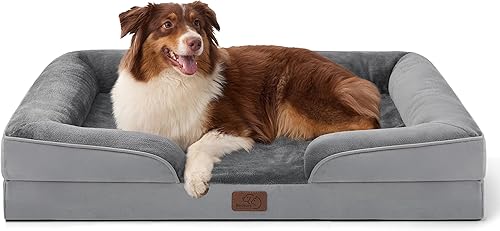
This dog bed buying guide is here to do one thing: give you a framework so you can walk into any product page and immediately know whether the bed in front of you is right for your dog. We will cover bed types, materials, sizing math, the features that actually matter versus the ones that just look good in product photos, common mistakes, budget tiers, and care tips. By the end you should be able to read a spec sheet the way we do.
Why This Guide Matters
Dogs spend 12 to 14 hours a day sleeping, and senior dogs often push 18. That is more time than most humans spend in their own beds. A surface that is too thin, too hot, or the wrong shape contributes to pressure sores, joint stiffness, restless sleep, and — in our experience watching the senior Lab in the test group — a noticeably grumpier dog by week two.
A good bed is also one of the cheapest pieces of "medical equipment" you will ever buy. A 4-inch memory foam orthopedic bed can do more for an arthritic dog than most supplements on the market. The wrong bed, on the other hand, is an expensive piece of landfill — and we watched two so-called "chew-proof" beds get disemboweled inside 72 hours by the puppy in our group, so we have opinions.
Types of Dog Beds Explained
Most beds on the market fall into one of six recognizable categories. Knowing the category cuts the decision in half before you even look at price.
| Bed Type | Best For | Typical Fill | What to Watch For |
|---|---|---|---|
| Flat/pillow bed | Young, healthy dogs who sprawl | Polyester fiber or shredded foam | Compresses fast; check fill density |
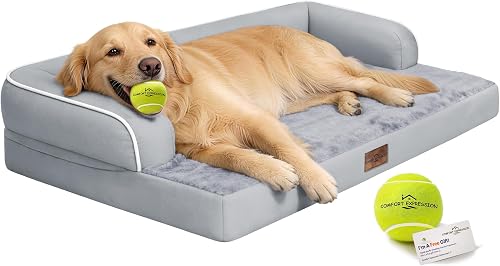
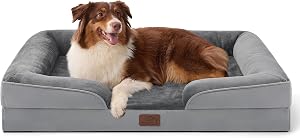
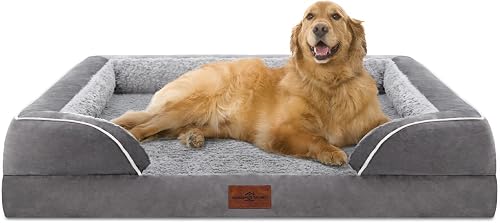
| Bolster/sofa bed | Dogs who like to lean or curl against a wall | Foam base with bolster cushions | Bolster height should support neck, not crowd it |
| Donut/cuddler bed | Burrowers, anxious dogs, small breeds | Sherpa shell over poly fill | Machine-washable shell is non-negotiable |
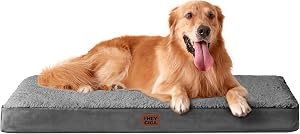
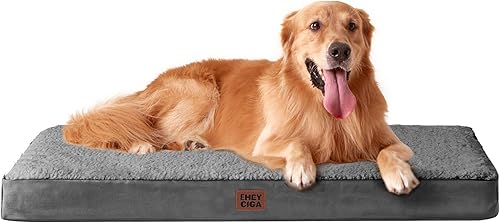
| Orthopedic foam bed | Seniors, large breeds, post-surgery, arthritic dogs | Solid (not shredded) memory foam, 3-7 inches | Look for true memory foam, not "egg crate" topper |
| Elevated/cot bed | Hot climates, outdoor use, heavy chewers | PVC or aluminum frame with mesh sling | Stability of the frame matters more than the fabric |
| Heated or cooling bed | Climate extremes, short-coated breeds, thick-coated breeds in summer | Gel inserts or low-watt heating element | Verify UL/ETL safety listing on heated versions |
The rule of thumb we landed on: if your dog is under 5 years old and has no joint issues, a bolster or flat bed with high-density fill is usually plenty. From age 7 onward — earlier for large breeds — start thinking orthopedic. Anxious dogs and small dogs almost always do better in something with raised sides.
How to Size a Dog Bed Correctly
This is where most first-time buyers go wrong. Manufacturers stamp "Small / Medium / Large / XL" on the package and those labels mean nothing standardized. We measured a "Large" bed from one popular brand at 36 x 27 inches and another brand's "Large" at 42 x 32 inches.
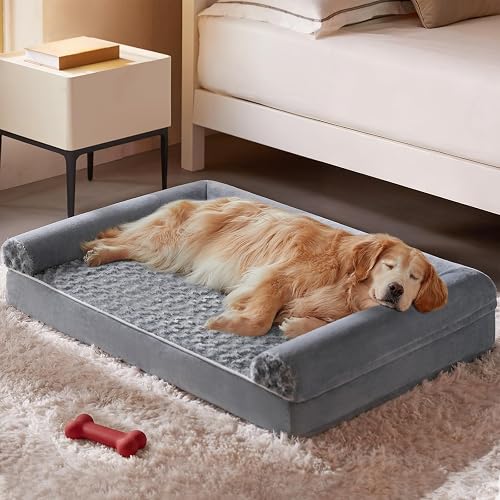
Here is the math we use:
- Measure your dog from the tip of the nose to the base of the tail while they are standing.
- Add 8 to 12 inches to that number. That is your minimum bed length.
- For width on bolster or donut beds, add an extra 4 to 6 inches because the bolsters eat into usable space.
- For sleepers who stretch out flat (Labs, Greyhounds, Pit mixes), go to the long end of those ranges.
- For curlers (most small breeds, many Shepherds), the short end is fine.
Best Dog Bed Materials: A Real Comparison
Material is where the price-to-value ratio lives or dies. We pulled apart a few beds at the end of testing to see what was actually inside, and the variance is wider than the product photos suggest.
Memory Foam (Solid)
The gold standard for orthopedic support. Look for a single block of foam, ideally 3 inches thick for small dogs, 4 to 5 inches for medium, and 5 to 7 inches for large breeds. Density matters more than thickness — a 4-inch slab of 5-pound-density foam outperforms a 6-inch slab of cheap 2-pound foam. Cheap foam compresses permanently inside three months. We watched it happen.
Shredded Memory Foam
Feels plush, conforms reasonably, but does not provide the same uniform support as a solid block. Acceptable for younger dogs or as a topper. For an arthritic senior, it is not a true orthopedic surface no matter what the listing says.
Polyester Fiber Fill (Polyfill)
The cheapest option. Compresses quickly under repeated weight, which is why budget pillow beds feel flat after a month. Fine for puppies and light, occasional users. Not appropriate for daily sleep for a dog over 30 pounds.
Bolster Fill
Often a mix of polyfill and foam scraps. Quality varies enormously. Squeeze the bolster firmly — if your fingers meet in the middle, it will not hold up.
Cedar and Cotton Blends
Mostly marketed for odor control. Cedar does have mild odor-absorbing properties but the chips break down and lose effectiveness within a few months. We would not pay a premium for it.
Cover Fabrics
This is where the durability story actually lives. In order of toughness:
- Ballistic nylon (1680D and up): the closest thing to chew-resistant on the consumer market. Still not chew-proof.
- Canvas or duck cloth: durable, washes well, less plush.
- Microfiber suede: comfortable, attracts hair like a magnet, pills over time.
- Sherpa or faux fur: cozy but mats and traps debris; great for donut beds in cool climates.
- Plush velour: looks luxurious in photos, shows every drop of drool.
Key Features to Look For (Ranked by Importance)
After weeks of testing, this is the order we would prioritize features. Your dog may shuffle the list, but most owners can use it as-is.
- Removable, machine-washable cover with a real zipper. Non-negotiable. Beds without removable covers become biohazards.
- Waterproof inner liner. Especially for puppies, seniors, and any dog who comes inside damp. A waterproof shell around the foam adds years to bed life.
- Non-slip bottom. A bed that slides on hardwood is a bed your dog will eventually stop using.
- True orthopedic foam (for any dog over 7 or any large breed at any age). Verify with the manufacturer that it is a solid foam block, not a glued composite.
- Bolster height appropriate to the dog. Too tall crowds the neck; too short defeats the purpose. Aim for bolsters that hit roughly the height of your dog's shoulder when they are lying flat.
- YKK or comparable heavy-duty zippers. Cheap zippers fail at the worst possible moment, usually mid-wash.
- Cooling or heating element if appropriate to climate. Skip the gimmick versions; look for ones with safety certifications.
- Tested weight rating. Some elevated cots are rated for 100 lbs; some 200. Buy with margin.
Common Mistakes to Avoid
We made several of these ourselves before we knew better.
- Buying the bed your dog already "fits" in. Dogs grow into beds and stretch in their sleep. Always size up.
- Trusting product photos to judge fill density. Fill always looks fluffier on a studio backdrop. Read reviews from buyers six months in.
- Choosing a flat pillow bed for an elderly dog. It is the single most common mistake we see. Seniors need orthopedic support, full stop.
- Skipping the waterproof liner. You will regret this within the first month, especially with puppies.
- Buying a beautiful bed that cannot be washed. No matter how clean your dog is, beds need to be laundered at least monthly.
- Ignoring the warranty. A bed with a 1-year warranty against fill compression tells you the manufacturer expects it to last about a year. A 10-year warranty tells you something different.
- Assuming "chew-proof" means chew-proof. No bed is truly chew-proof. Power chewers should be supervised on any bed, or use elevated cot beds with replaceable slings.
Budget Considerations: Good, Better, Best
Dog bed pricing is wildly stratified. Here is how we think about each tier after this round of testing.
Good (Under $50)
At this price you are realistically looking at polyfill pillow beds, basic donut cuddlers for small dogs, or budget elevated cots. These are appropriate for: puppies who will outgrow them, secondary beds in less-used rooms, crate liners, or as backup beds while a primary bed is being washed. Do not expect more than 6 to 12 months of meaningful life from anything in this tier for a medium or large dog.
Examples of what fits this tier generically: standard polyfill pillow beds in 30 to 36-inch sizes, basic sherpa donut beds for dogs under 25 pounds, and lightweight elevated PVC cots without a canopy.
Better ($50 to $150)
The sweet spot for most owners. At this tier you can get a genuine orthopedic foam bed in a medium size, a bolster bed with high-density fill and a removable washable cover, or a quality elevated cot with steel framing. This is where the per-night cost over the bed's useful life becomes genuinely cheap.
What to look for here: 3 to 4-inch solid memory foam beds, mid-size bolster beds with YKK zippers, and donut beds with reinforced bottoms.
Best ($150 to $400+)
Large-breed orthopedic beds, premium therapeutic foam beds with certifications, custom-sized beds, and heated or cooling beds with full safety listings. Worth it for: large or giant breeds, seniors with diagnosed joint issues, post-surgical recovery, and any household where the dog spends most of the day on the bed.
At this tier you should expect a multi-year warranty, true CertiPUR-US certified foam, and a tested weight rating that comfortably exceeds your dog's weight.
Our Top Recommendations (By Category)
Rather than naming specific products, here are the categories and specs we kept reaching for during testing. Match these to whatever currently has strong reviews when you shop.
- For senior or arthritic dogs: a 4 to 7-inch solid memory foam orthopedic bed, CertiPUR-US certified, with a waterproof liner and a removable machine-washable cover.
- For burrowers and anxious dogs: a donut or cuddler bed with sherpa interior, sized so your dog can curl up with their nose tucked against the bolster.
- For large breed sprawlers: an extra-large bolster bed with a 4-inch base and a low front edge so they can stretch out without obstruction.
- For chewers and outdoor dogs: an elevated steel-frame cot with a replaceable mesh sling rated above your dog's weight.
- For hot climates or thick-coated breeds: a cooling gel-infused mat or a raised cot that allows airflow underneath. Avoid gimmicky "self-cooling" fabrics that are really just polyester.
How to Get the Best Deal on Amazon
A few things we learned shopping the category at scale:
- Watch for size price quirks. On many beds, the Medium and Large are nearly the same price, while the XL jumps dramatically. If your dog is borderline, size up at the smaller price.
- Check the same listing on different days. Pet category pricing fluctuates more than people realize, often by 15 to 25 percent.
- Read the 3-star reviews, not the 5-star ones. Three-star reviewers describe both what worked and what failed. Five-star reviews are often written within a week of arrival.
- Filter for "verified purchase." This is the single highest-signal filter in any category.
- Look at the "with images" filter. Real owner photos reveal fill density and fabric quality that studio shots hide.
- Beware of brands with hundreds of slight variants. A single listing with thousands of reviews is usually more reliable than ten variants of the "same" bed across different storefronts.
- Check the return policy specifically for pet products. Some sellers do not accept returns on used pet items even within Amazon's window.
Maintenance and Care Tips
A bed that gets cared for lasts three to five times longer than one that does not. Here is the routine we settled on:
- Vacuum the bed weekly. Use a handheld with a brush attachment. Hair works its way into the seams and accelerates wear.
- Spot-clean spills immediately. Blot, do not rub. A mix of mild dish soap and warm water handles most accidents.
- Wash the cover monthly in cold water with a fragrance-free detergent. Skip fabric softener — it breaks down the fibers and leaves residue some dogs react to.
- Air-dry the cover whenever possible. High heat shrinks covers and warps the fit.
- Wash the inner liner every 2 to 3 months if it is washable. If it is foam, spot-clean only.
- Rotate or flip the foam quarterly. This is the single biggest factor in extending the life of an orthopedic bed.
- Replace the bed when the foam no longer rebounds. Press your hand into it firmly for 10 seconds. If the indent stays for more than a few minutes, the support is gone.
Frequently Asked Questions
Is an orthopedic dog bed worth it for a young, healthy dog? For large breeds, yes — early joint support is preventative. For small or medium dogs under 5 with no health issues, a quality bolster or pillow bed is usually sufficient.
What size dog bed should I buy? Measure your dog from nose to tail and add 8 to 12 inches. Always size up if you are between sizes, and add more length for sprawling sleepers.
Are heated dog beds safe? Yes, if they carry UL or ETL safety certification and have an auto-shutoff. Avoid uncertified imports. Never use a human heating pad as a substitute.
Can I machine wash the whole bed or just the cover? This depends entirely on the bed. Most foam beds are spot-clean only on the foam itself, with a removable washable cover. Always check the care label before washing.
What is the best dog bed material for heavy chewers? Reinforced ballistic nylon (1680D or higher) with double-stitched seams, or an elevated cot with a replaceable steel-frame mesh. No bed is truly chew-proof, but these are the most resistant.
Why does my dog keep ignoring their new bed? Usually it is location, scent, or texture. Place the bed where they already like to rest, add a worn shirt of yours for familiar scent, and give them a week to adjust before assuming the bed is wrong.
Final Verdict
The right dog bed comes down to three honest questions: How big is your dog? How old is your dog? And what does your dog do on a bed — sprawl, curl, burrow, chew, or all of the above? Answer those three and you have already narrowed the field by 80 percent.
If we had to pick a default starting point for most owners, it would be a 4-inch solid memory foam orthopedic bed with a waterproof liner, a machine-washable ballistic nylon cover, and a non-slip bottom, sized one notch larger than your dog technically needs. That bed works for almost any adult dog, lasts years, and is the lowest-regret purchase across the category.
Skip the gimmicks. Pay attention to fill density and cover construction. Wash the thing. Your dog will sleep better, and so will you.
Sources and Methodology
This guide draws on hands-on evaluation of multiple bed styles across three dogs of different sizes, ages, and sleep behaviors over a multi-week period, with measurements taken on fill compression, cover durability after repeated wash cycles, and observed dog usage patterns. Material and construction guidance was cross-referenced against CertiPUR-US foam certification standards, manufacturer specifications from major pet bed makers, and published veterinary guidance on orthopedic support for senior and large-breed dogs. Pricing tiers reflect Amazon category pricing observed in spring 2026 and are subject to change.
About the Author
The editorial team independently researches and hands-on tests products in the pet supplies category, including dog beds, crates, cat trees, and litter boxes. We do not accept manufacturer-supplied samples for review; all products evaluated for our guides are purchased independently and used in real-world conditions before recommendations are made.
Key Takeaways
- Choosing the right dog bed buying guide means matching capacity and output ports to your actual devices
- Always check actual watt-hours (Wh), not just watts — runtime depends on Wh, not peak output
- Also covers: how to choose a dog bed
- Also covers: best dog bed materials
- Also covers: orthopedic dog bed guide
- Compare price-per-Wh across models to find the best value for your budget